If sleep is this important, shouldn’t more of it always be better? Not quite. Oversleeping, without enough mental and physical stimulation during your waking hours, can be just as detrimental to brain health as not sleeping enough. Rest only does its job when there’s something worth resting from.
This points to a fuller picture of what your brain actually needs: challenge, connection, and rest, together — not rest alone.
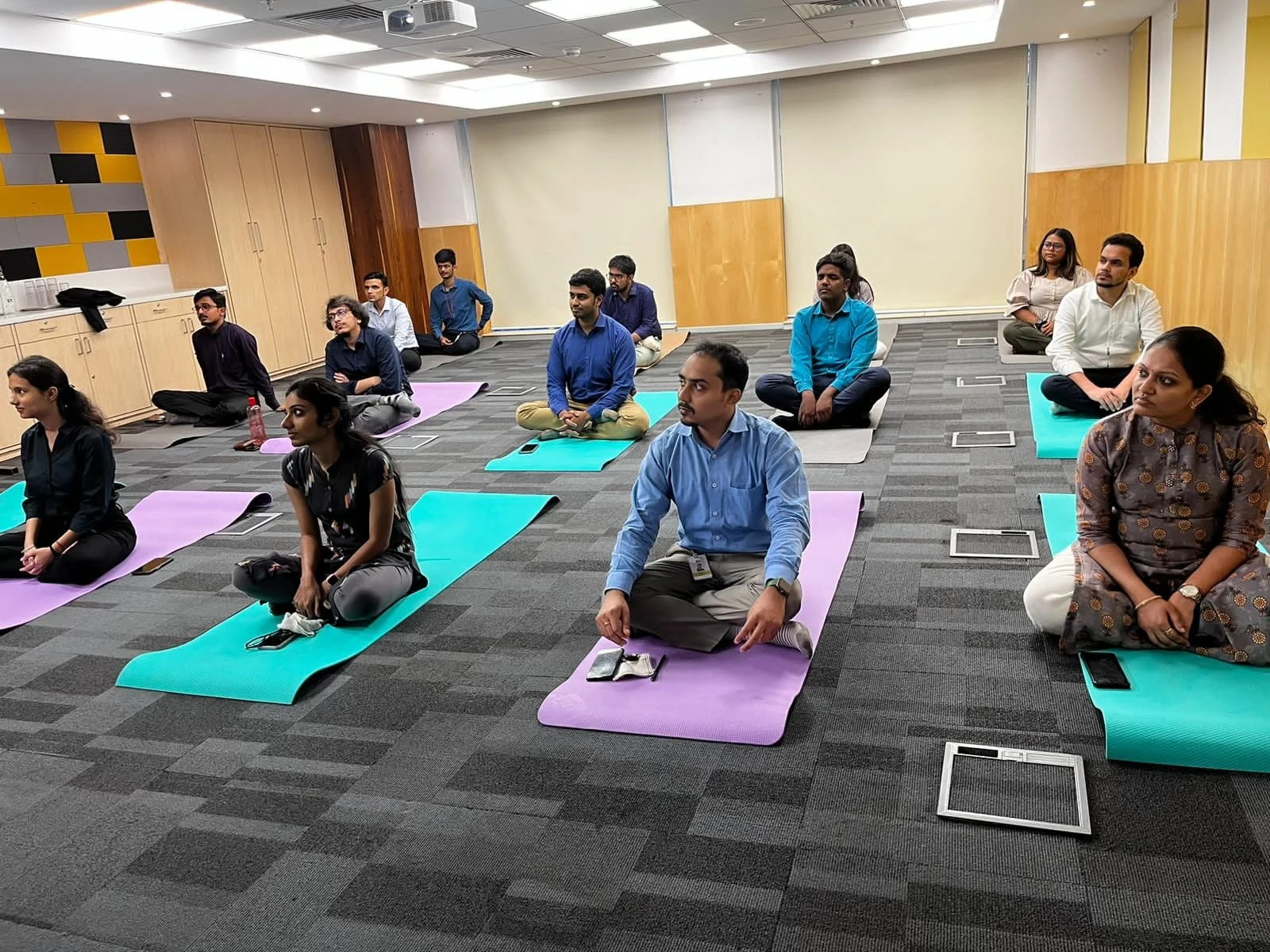
Challenge means giving your brain something constructive to work against. This doesn’t have to be dramatic — physical movement counts, and yoga is a particularly good example, because it asks your body to move in ways daily life doesn’t: twisting, balancing, reaching in new combinations. Even repeated postures offer fresh challenge if you practice with real intentionality rather than going through the motions. Mental challenge counts equally — learning a language, taking up an instrument, writing, exploring a subject that stretches your understanding. The common thread isn’t difficulty for its own sake; it’s a positive emotional response on the other side of the effort. You may not enjoy the challenge in the moment, but if you feel involved, relieved, or genuinely glad afterward, that’s constructive challenge doing its job.
Connection is the second pillar, and it means exactly what it sounds like — real human engagement. A well-known Harvard study on longevity found that people with deep, lasting ties to family and friends lived the longest and healthiest lives, with the strongest brain function in old age — often regardless of how physically fit they were otherwise. Isolation is a genuine cost to brain health, not just an emotional inconvenience.
Rest is the third pillar, and it’s what actually lets the benefits of challenge and connection settle in and consolidate — the same restorative sleep processes that clear out the day’s mental residue.
So if you’ve been sleeping enough but still feel foggy or low, don’t reach for more sleep as the automatic fix. Ask instead whether you’re giving your brain enough constructive challenge, and enough real connection, during the hours you’re awake. Rest is one leg of the stool, not the whole thing.
From the Wellness Wisdom lecture series at Mystic Yoga.
About the Author
Abhishek Maheshwari is a yoga teacher, author, and the Founder of Mystic Yoga. His work integrates Yoga, Meditation, Ayurvedic Nutrition, and Spiritual Philosophy to promote holistic health and well-being through classes, retreats, and corporate wellness programs.